Originally published by the Food Bank of Western Massachusetts
Transportation is often not at the forefront of people’s minds when they think of food insecurity. For many in Western Massachusetts, the challenge of getting to a grocery store is the major barrier to accessing adequate healthy food. A 2019 USDA study found that about 46% of low-income Americans without cars live more than a half mile from a grocery store, making a simple stop for food a time- and energy-consuming trek.
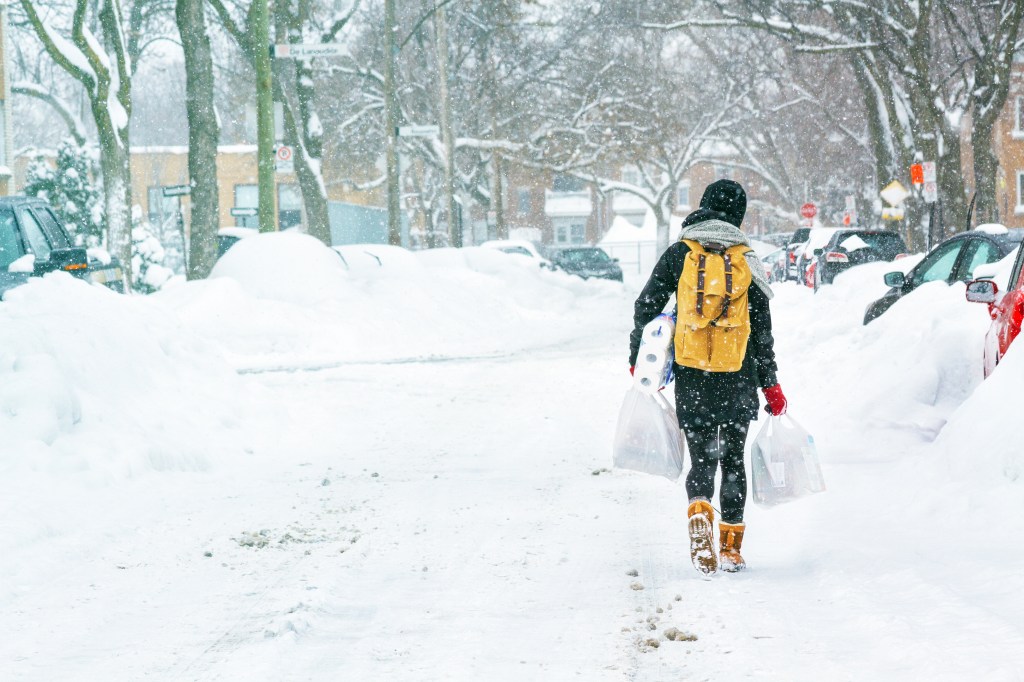
In some areas, when public transportation is unavailable or inaccessible, people must walk, bike, or navigate with a mobility aid such as a wheelchair to and from the store. These modes of transportation become
exponentially more difficult with distance, household size, and the yearly deluge of snow and ice Massachusetts experiences in the winter months. Ride-share and taxi services may be available in more populated areas, but their cost rapidly eats away at the amount a person can spend on the food they are traveling to buy.
Solutions for better transportation to access affordable healthy food year round are dependent on adequate government funding for public
transportation. In Western Massachusetts, we have three Regional
Transit Authorities (RTAs) that manage public transportation– Pioneer Valley Transit Authority, Franklin Regional Transit Authority, and the Berkshire Regional Transit Authority– all of which are critically underfunded.
During the last Commonwealth legislative session, The Food Bank, its
partners in the Western Mass Transportation Advocacy Network, and
the statewide coalition, Transportation for MA (T4MA), advocated at the State House for increased funding for the regional RTAs outside of Boston whose MBTA receives over 90% of state transportation funding. Sponsored by Sen. Harriette Chandler and Rep. Natalie Blais (1st Franklin), the RTA Advancement Bill would increase funding for all RTAs and build
pathways for riders to contribute to future RTA planning.
Though the session ended before it came up for a vote, The Food Bank and its partners will continue advocating for the bill next session with the hope that it will be given more priority by lawmakers. In the meantime, The Food Bank is working on the ground to mitigate food insecurity created by a lack of adequate public transportation through its continued partnership with local member food pantries and its Mobile Food Bank partners to make healthy food accessible for those who need it.
 WMTAN
WMTAN 